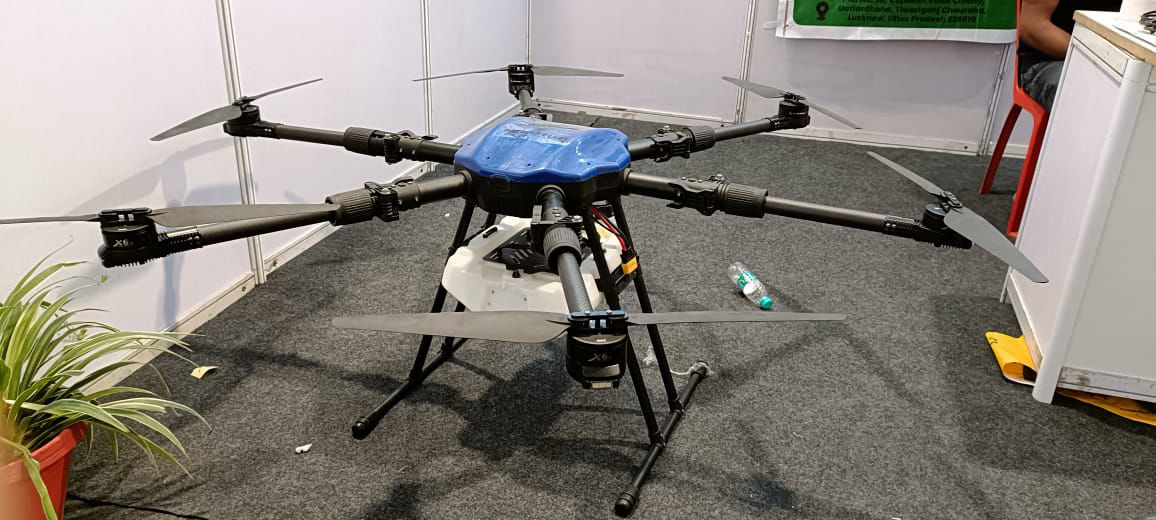
Unmanned Aerial Vehicle (UAV) inspection plays a crucial role in inspecting pipelines and
storage tank terminals in various industries, including oil and gas, energy, and petrochemicals.
UAVs, also known as drones, offer several advantages in this context, including
cost-effectiveness, safety, and efficiency. Here's an explanation of how UAV inspection is used
in pipeline and storage tank terminal inspections:
Pipeline
Inspection
Visual Inspection: UAVs equipped with high-resolution cameras and sensors can
conduct visual inspections of pipelines. They capture images and videos of the entire pipeline
route, allowing inspectors to identify issues such as corrosion, leaks, and physical
damage.
Thermal Imaging: Thermal cameras on UAVs can detect temperature variations
along the pipeline. This is useful for identifying hotspots, which may indicate potential leaks
or insulation problems.
LiDAR Scanning: Light Detection and Ranging (LiDAR) sensors can create detailed
3D models of the pipeline's surroundings. This helps in identifying any structural changes,
encroachments, or vegetation growth near the pipeline, which might require maintenance or
clearing.
Gas Leak Detection: Some specialized UAVs are equipped with gas sensors to detect leaks in the vicinity of the pipeline. They can identify the presence of gases such as methane, which can be hazardous and environmentally damaging.What is Code Editor?
Geospatial Mapping: UAVs can capture geospatial data along the pipeline route,
which is useful for maintaining accurate records and planning maintenance activities.
Remote Access: In remote or hard-to-reach areas, UAVs can access locations that
are challenging for human inspectors. This increases safety and reduces the need for ground
personnel to venture into potentially hazardous terrain.
Storage Tank Terminal Inspection:
Tank Roof and Shell Inspection: UAVs can inspect the roofs and shells of
storage tanks. They capture detailed imagery that allows inspectors to identify issues such as
corrosion, cracks, and structural damage.
Internal Inspection: Some advanced UAVs are capable of entering storage tanks
through openings like manholes. Inside, they can capture images and videos to assess the
condition of the tank's interior, including its lining and contents.
Thickness Measurement: UAVs can be equipped with sensors to measure the
thickness of tank walls. This data is crucial for assessing the integrity of the tank and
determining the need for maintenance or repairs.
Safety Inspections: UAVs can also be used to inspect safety features such as
guardrails, ladders, and emergency equipment at storage tank terminals to ensure compliance with
safety regulations.
Inventory Management: UAVs equipped with sensors can provide accurate
measurements of liquid levels in tanks, aiding in inventory management and preventing
overfilling or underfilling.
Environmental Monitoring: UAVs can monitor the surrounding environment for any
spills or leaks from the tanks, helping to mitigate potential environmental hazards.
In
both pipeline and storage tank terminal inspections, UAVs offer the benefits of cost savings,
reduced downtime, enhanced safety, and improved data accuracy. They enable timely maintenance
and repairs, reducing the risk of accidents and improving the overall efficiency of operations
in these critical industrial sectors. However, it's essential to adhere to regulatory guidelines
and ensure the proper training and certification of UAV operators for safe and effective
inspections